
Field Blend
You are choosing a wine and come across this expression on the label: “Field Blend”… what might it mean?
From now on, no more doubts! Essentially, Field Blend refers to a blend from the vineyard.
This has always been a way of maintaining quality in the wines produced, for centuries. In the old days, growers planted different grape varieties in the same vineyard as a way to guarantee quality.
But there was another aim to this method of production. It was the best way to offset losses at harvest caused by the vagaries of a given year, since, with the different varieties planted in the vineyard, there was less likelihood and less risk of losing the crop.
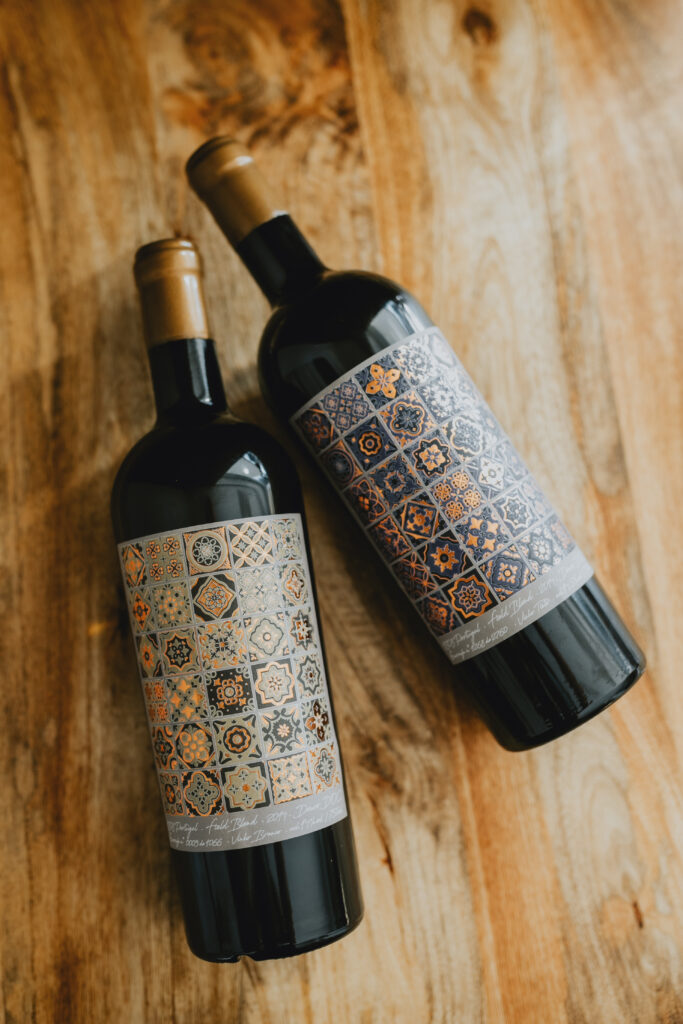
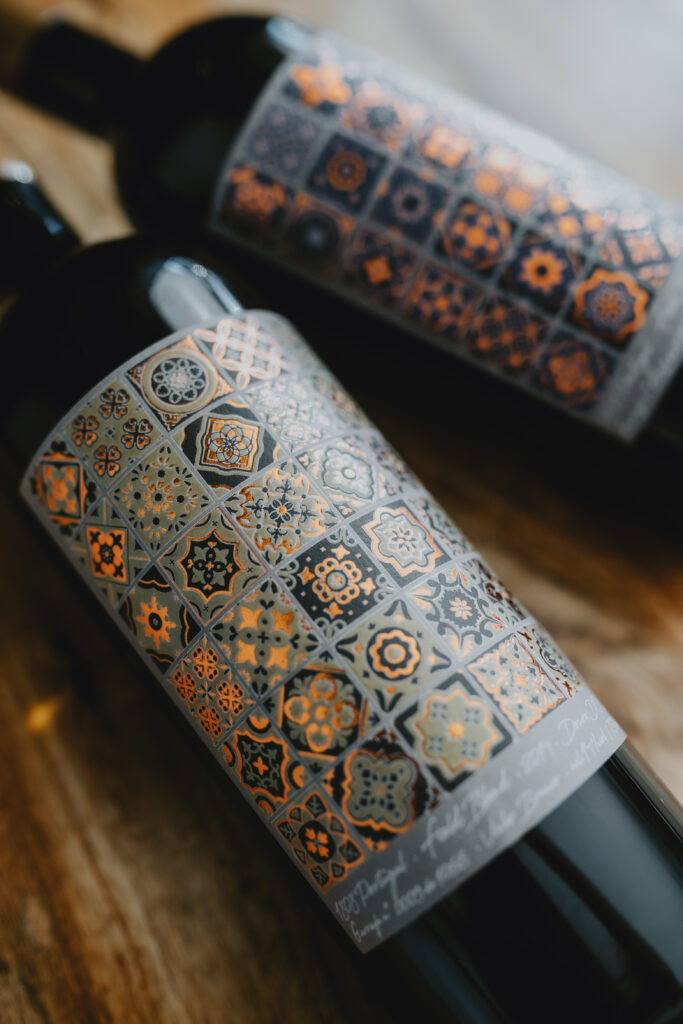
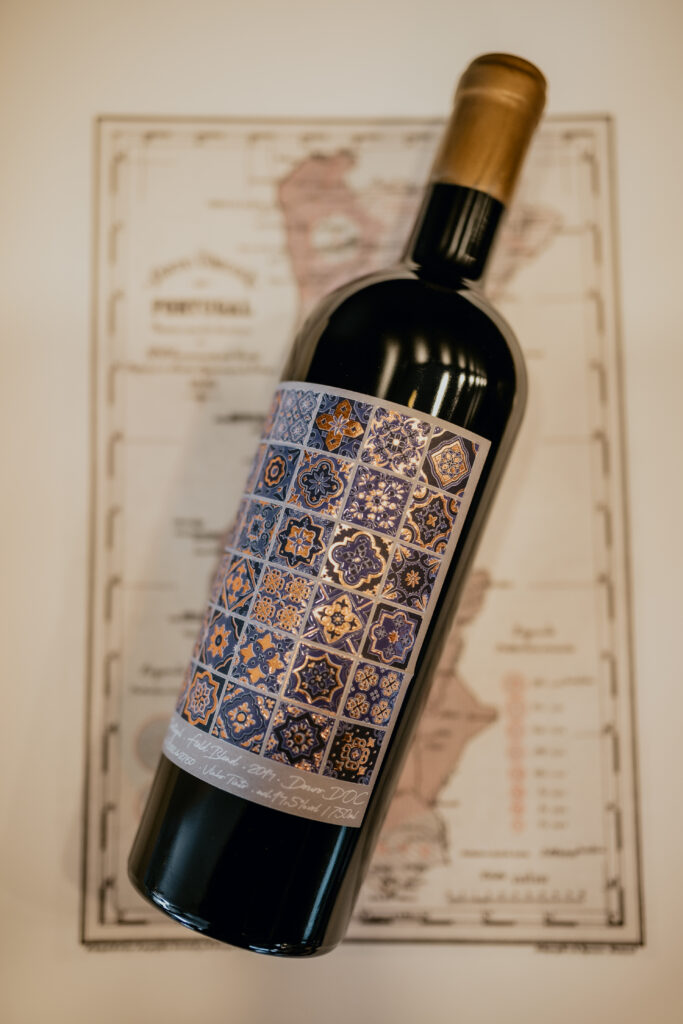
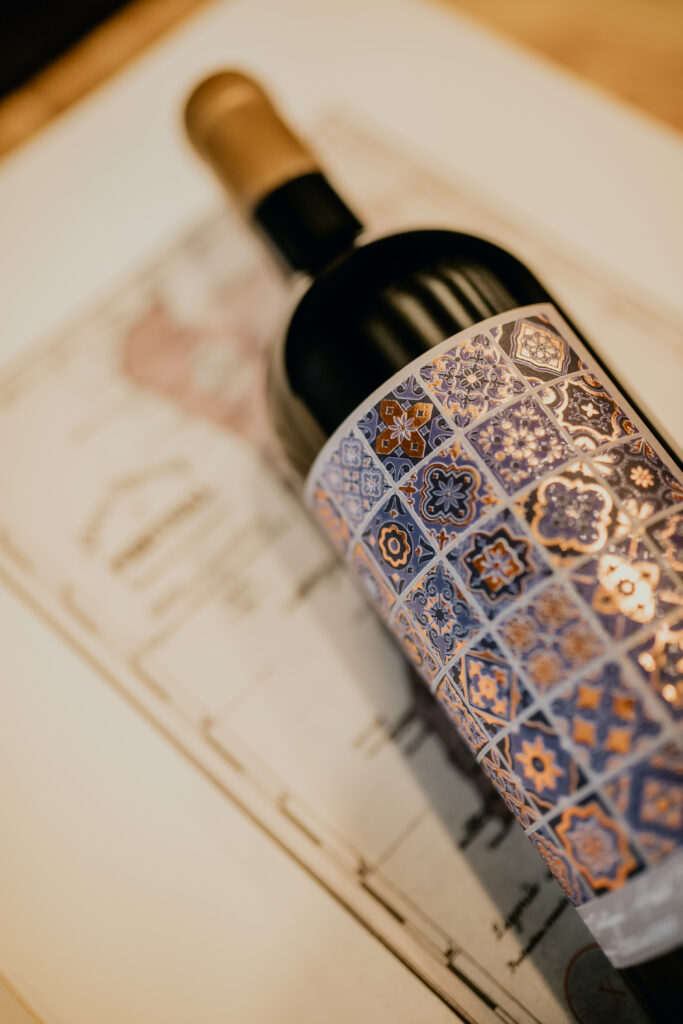
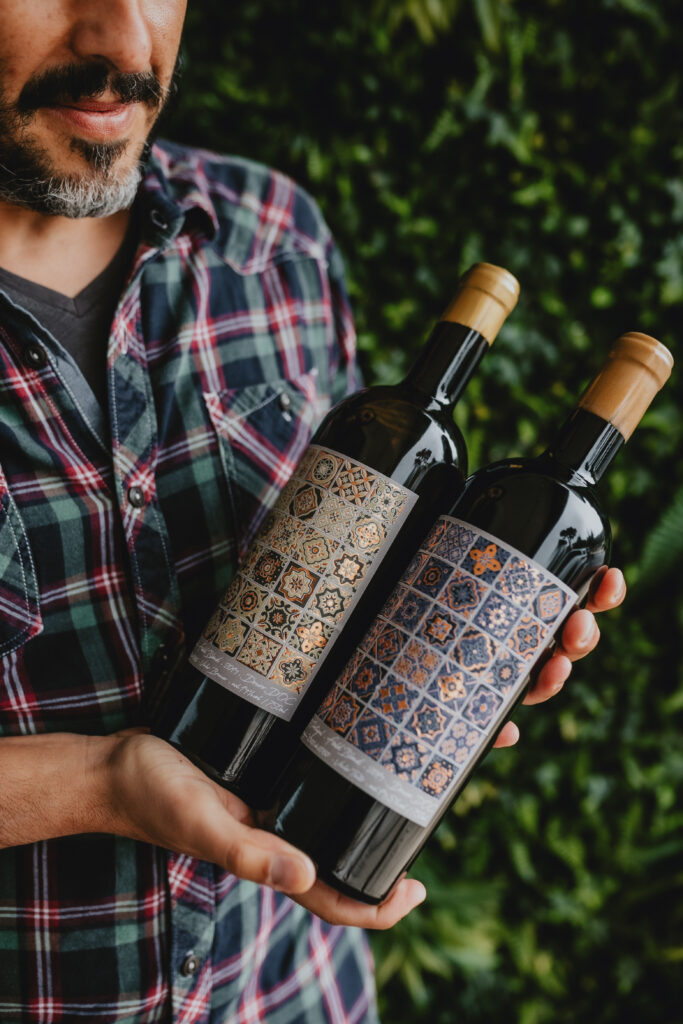
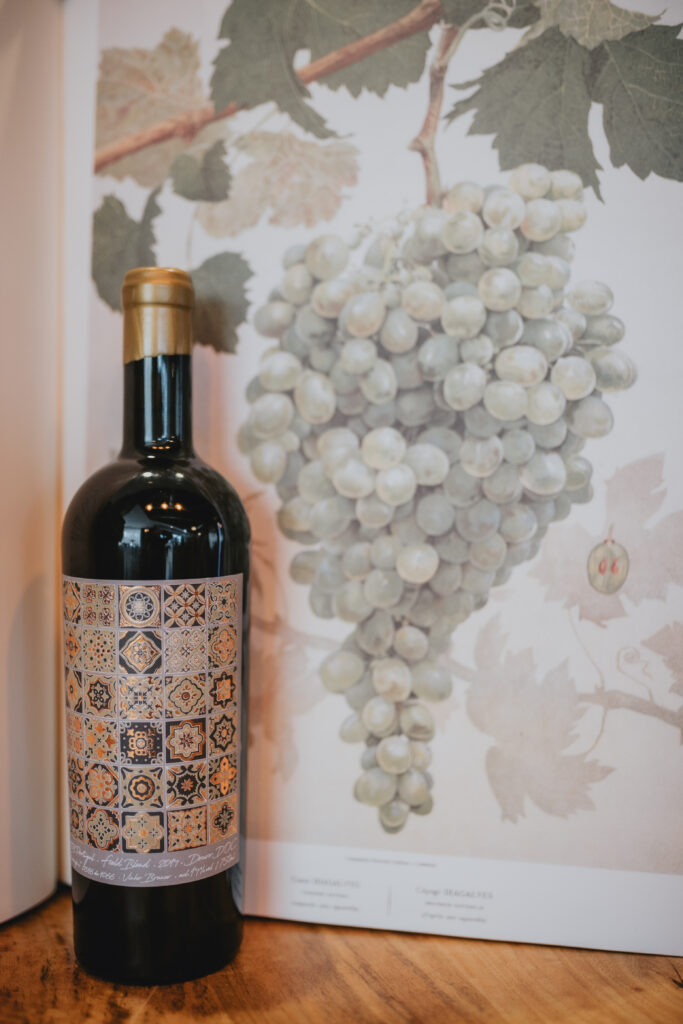
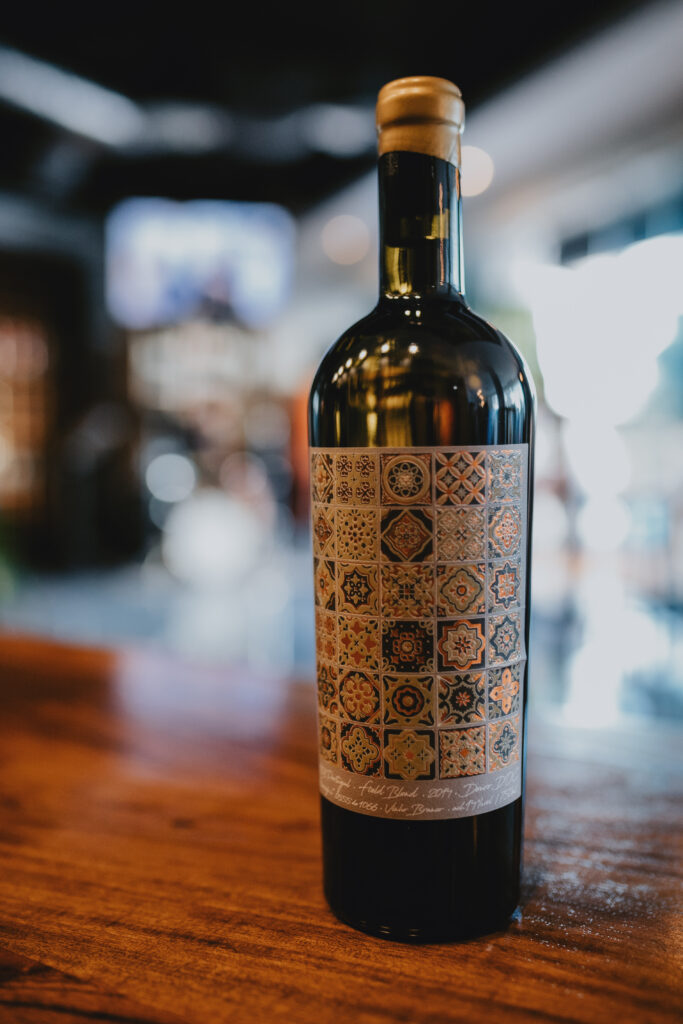
What Is a Field Blend?
A field blend, in oenology, is a vineyard — typically very old — in which several grape varieties were planted mixed together. The reason this was always done was to guarantee a complete blend and a consistent quality. The way found centuries ago to achieve a “perfect” blend was to plant, in the same vineyard, varieties that would ensure good colour, others that would ensure fruity aromas and still others that would ensure structure and acidity, and so obtain a blend of consistent quality, year after year.
Where to Find Field Blends?
The region in Portugal where wines from old vines — those in which we find more than 30 different grape varieties — are most easily found is the Douro. This region was once a sea of this kind of vineyard, but today, with all the support schemes and the reconversion of old vines into new ones, these treasures are becoming ever harder to find.
How to Make a Field Blend?
In the vineyard, as in the cellar, the key expression for producing this type of wine, in my opinion, is “respect for terroir”.
When I produce a Field Blend I feel I am honouring the old traditions, bringing the truths of the past into the present day.
A field blend is a vineyard that is harvested all at once and ferments all together. It would be impossible for more than 30 different varieties to ripen at the same time, which is why these wines are the ultimate expression of “terroir”, since here the varieties in themselves play a lesser role.
What matters here is the expression of the vineyard and of the grapes at the point of ripeness on the day the decision to harvest is made.
Types of Field Blend Wine
There are several regions in Portugal where different types of Field Blend can be created.
At Casca Wines we produce wines of this type in the Bairrada region, but here the Baga variety speaks a little louder than the others found in the vineyard. In the Dão, although our vineyard is more than 80 years old and has the varieties planted separately, we harvest the whole vineyard in a single day and the grapes all ferment together, ensuring a Field Blend. And in the Beira Interior, our 1808 Field Blend Beira Interior carries the same principle to the high vineyards of the interior — a red woven from many native varieties gathered as one.
Whatever the type of Field Blend, one thing is certain: in these wines it is the team that speaks loudest, not the individuality of each variety. A kind of all for one and one for all.
From the page to the glass
- 1808 Field Blend Alentejo (Grande Reserva) — Traditional Alentejo varieties on granite, 48 months in French oak.
- 1808 Field Blend Beira Interior — An 80-year-old vineyard at 690 metres, 36 months in barrel, cellaring to 2062.
- Cascale Petroleiro Palhete em Talha — White and red varieties together in clay talha, sealed for eight months.
