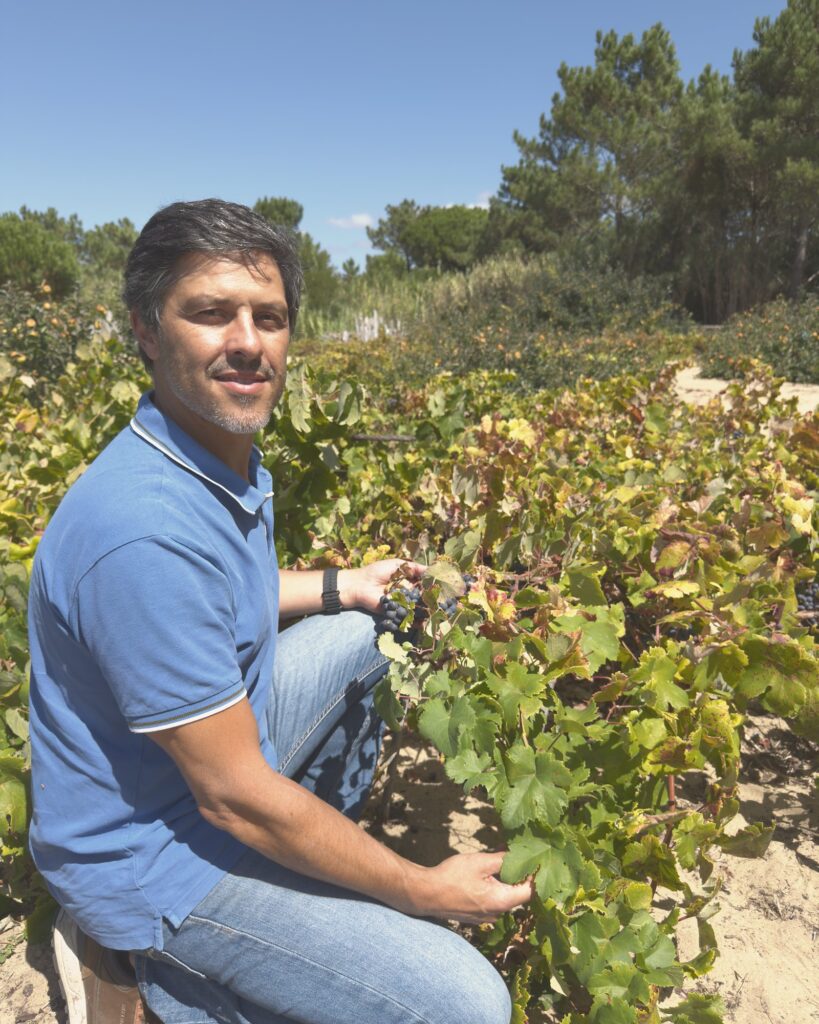
Hélder Cunha
Portuguese fine wines begin with place, but they endure through the people who refuse to let that place disappear. This is Hélder Cunha’s signature collection: rare vineyards, very small productions and numbered bottles created to preserve a particular origin.
Some wines belong to no conventional range. They belong to the person who finds the vineyard, listens to the grower and accepts the responsibility of giving forgotten grapes a different future. The Hélder Cunha Fine Wines Collection brings together the oldest vines, the lowest-yield parcels and the vintages made only when the vineyard and the year truly call for them. These are wines built to age, but also records of landscapes, traditions and encounters that might otherwise be lost.
A signature, not another range
Casca Wines is centred on the winemaker rather than confined to a single estate. That freedom makes it possible to work region by region, finding the right grapes and the growers who have protected them. For Hélder Cunha, sustainability is economic, social and environmental at once: a vineyard has a future only when its people, its knowledge and its landscape have one too.
This collection is the highest expression of that approach. Rarity alone is not enough. A wine enters the signature only when the parcel has something irreplaceable to say and when precision in the cellar can reveal it without erasing its identity.
Colares, at the head
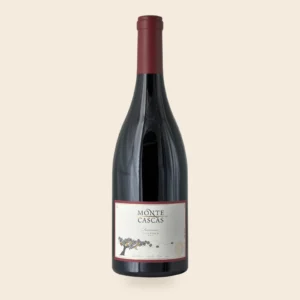
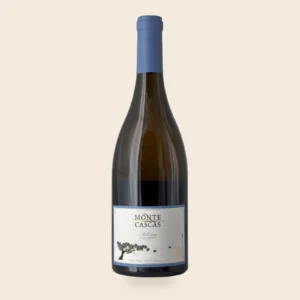
The first and rarest Hélder Cunha wines come from Colares, where ungrafted vines survive in Atlantic sand, protected from phylloxera and shaped by ocean winds, humidity and the cool climate of Sintra. Ramisco in red and Malvasia de Colares in white carry the singular tension of a region unlike any other.
Working with the growers of Colares became a commitment to more than wine. It meant helping to restore recognition to a culture of viticulture passed from one generation to the next. These are the same vineyards National Geographic came to film in 2020, when Hélder Cunha guided Gordon Ramsay through Colares for Uncharted with Gordon Ramsay; the episode premiered in Portugal on 15 October 2021.
Singular parcels, rescued one by one
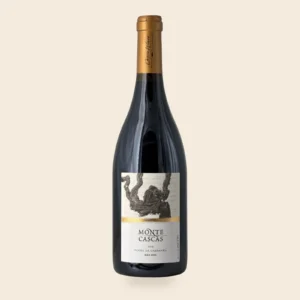
In Penalva do Castelo, in the Dão, Hélder Cunha met Senhor Francisco and found Vinha da Carpanha: old vines whose grapes had long disappeared into ordinary cooperative wines. Jaen, Touriga Nacional and Rufete grow in clay crossed by a vein of schist and protected by pine forest. Foot treading, gentle extraction and more than two years in French oak gave rise to a firm yet elegant wine, each bottle numbered in recognition of the vineyard and the man who kept cultivating it.
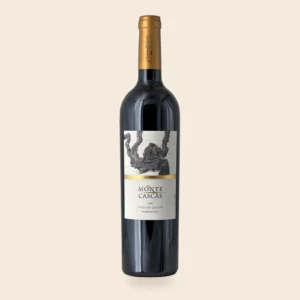
At Vinha das Lameiras, in one of the highest areas of São João da Pesqueira, the ground is covered in schist. The vineyard was planted using the traditional plantação a ferro method, with rootstocks able to find their way through the rock. Its tiny bunches once joined the wider flow of Port production. Hélder’s work with Senhor António Branco revealed them instead as the concentrated voice of a single Douro parcel.
In the Cardosas area of Bairrada, Vinha do Quinto grows among clay and pale limestone. Old Poeirinho — an historic expression of Baga — shares the parcel with scattered Fernão Pires and Bical vines. Introduced to the place by Enfermeiro Acácio and guided by the knowledge of Senhor Vidal, Hélder created a numbered wine that preserves the vineyard’s natural field blend and the persistence behind it.
Final editions: when the vineyard no longer exists
Some Portuguese fine wines become archives. Vinha da Padilha, a century-old Fernão Pires vineyard in Almeirim, stood surrounded by urban development, with roots reaching through exceptionally deep soils. After the death of its grower, António Borrego, the vineyard was uprooted in 2015. The final bottles from the 2014 harvest are therefore literal last editions: not a recreation, but the remaining evidence of a vineyard that disappeared.
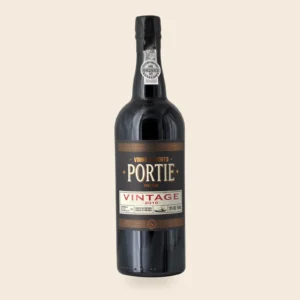
The same principle guides every final edition in the collection — wines at the end of their cycle, never replenished: old-planting field blends, a rare Vintage Port or a parcel whose continuity can no longer be guaranteed. Their scarcity is a consequence of origin, never a marketing device.
Precision in the cellar, fidelity to the vineyard
Methods change according to the place. Minimal intervention, foot treading and long ageing in French oak are used where they serve the fruit and structure; passive hyper-oxidation was chosen for the final Fernão Pires to protect its longevity. The constant is restraint. Technique exists to translate the vineyard, not to impose a house style upon it.
Each wine in this signature is a statement: Portugal holds terroirs capable of standing beside the finest in the world. What they require is attention, ambition and the patience to let their difference remain visible. Discover more about the places behind the wines in Regions & Terroirs.
Discover the Portuguese Fine Wines
A curated selection of rare parcels, old-vine field blends and final editions from Hélder Cunha’s cellar.