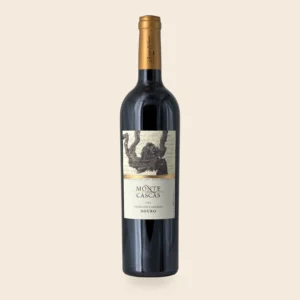
Monte Cascas — the Douro, from schist to single parcel
One region only. The one that forces the vine to grow on terraces, in stone, with the river below and the heat pressing on the slope.
Douro DOC · Schist · Altitude · Old vines
Why the Douro is difficult
Schist does not feed the vine; it obliges it. The root has to go down metres before it finds water, and that search is what gives Douro wine the concentration few other places can imitate.
Altitude does the rest. The higher you go, the colder the nights, the slower the grape ripens — and the more acidity is left at the end. Which is why a high-altitude Douro is not the same wine as a valley-floor Douro, even from the same grapes.
The whites nobody expects
The Douro became known for its reds and for Port, and it is an injustice that still holds.
There is a second thing almost nobody mentions: our whites are not grown on schist.
The Douro is schist, but it is not only schist. In places the region is cut through by veins of granite — and that is where the vineyards behind these whites sit. The Colheita comes from 550 metres; the Reserva, from 700. Granite and altitude, inside a region the whole world associates with schist and heat.
Granite gives a tension schist does not, and altitude does the rest: the higher you go, the colder the nights, the slower the grape ripens, and the more acidity is left at the end. That is why these whites are what they are, and why they taste unlike the rest of the Douro.
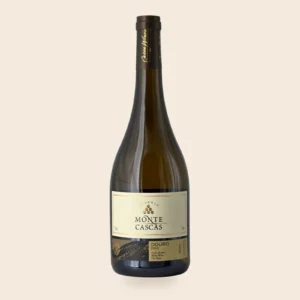
Viosinho, Gouveio and Códega do Larinho — the region’s three historic whites — give wines with a body and minerality that stand comparison with any mountain white in Europe. The Reserva Branco is 60% Viosinho, 30% Gouveio and 10% Códega do Larinho, with bâtonnage and a texture fruit alone cannot produce.
We always write Códega do Larinho in full. In the Douro, «Códega» on its own is the local name for Síria, which is a different grape — and the two are often confused.
If anything in this brand deserves to be tasted with no expectations attached, it is the whites.
The ranges
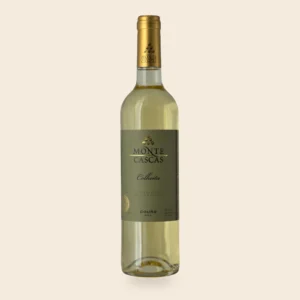
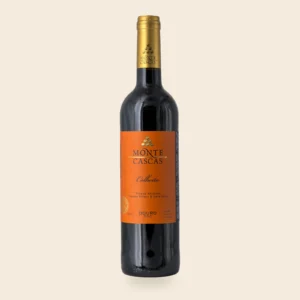
Colheita — the everyday Douro, without ceremony. White: Códega do Larinho, Gouveio, Viosinho. Red: Touriga Nacional, Touriga Franca, Tinta Roriz.
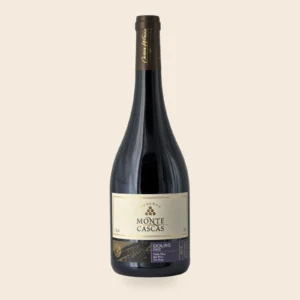
Reserva — old vines, 12 months in barrel for the red, bâtonnage for the white. Red: 70% Touriga Franca, 20% Touriga Nacional, 10% Tinta Roriz — black fruit, rockrose, coffee and caramel, firm structure, fresh finish.
Single Vineyard — one parcel, one wine. The top of the brand.
Vinha das Lameiras
A parcel of 94-year-old vines, planted in schist, with the Douro’s traditional varieties all mixed together — the way they were planted before anyone decided to separate them.
2015 vintage. Twenty-four months in barrel. Will keep until 2037.
Blackberry, herbal and balsamic notes, pencil shavings, firm structure, full body.
Last bottles. Not a figure of speech: this parcel gave what it had to give in this vintage, there is no replacement, and when the last one leaves, it leaves the catalogue too.