1808 — the origin, two centuries on
In 1808 the cellar was built where Casca Wines would one day make its first wines — among them the first Colares, the spark that created the house.
Two hundred years later, in 2008, Casca Wines was born. And with it this brand, which carries the name of the year it all began.
Beira Interior DOC · Organic and vegan · Granite · Altitude
This is why the brand is called 1808
It is not a date chosen because it sounds good. It is the date of the cellar.
Exactly two centuries separate that cellar from the founding of the company. It is in that distance — between what was inherited and what we chose to do with it — that this brand works. Which is why 1808 is where the house experiments: grapes nobody plants, methods that make work for themselves, vineyards nobody wants.
Beira Interior, at altitude
Granite with some quartz, a dry continental climate, vineyards up to 700 metres.
The cold Beira nights are the reason these wines have the acidity they have. It is not a cellar effect — it is the place doing its work. The day ripens the grape, the night keeps its freshness.
It is also a region where a vineyard is hard to keep and easy to abandon. Working it is a decision, not a convenience.
Organic and vegan, certified
The organic farming behind this brand is certified by Kiwa Sativa, control body PT-BIO-03, under Regulation (EU) 2018/848. Operator: Casca Wines S.A., AB0778UT.
Vegan means, specifically, that no animal-derived fining agents are used. No egg white, no casein, no isinglass.
In Beira Interior we make nothing that is not organic. Every wine on this page is certified.
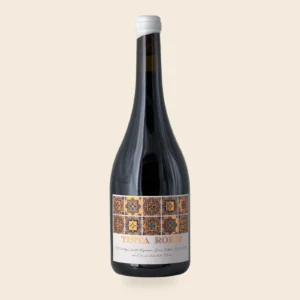
Tinta Roriz, the grape of a plateau
Follow the Douro upriver and do not stop at the border. On the other side it is the same river, the same plateau and — under another name — the same grape.
In Ribera del Duero it is called Tinto Fino, and the vineyards sit between 750 and 1,000 metres. In Toro it is Tinta de Toro, between 620 and 750. Across the border, in the Douro Superior and here in Beira Interior, it is Tinta Roriz, and our vineyards run up to 700 metres. One grape, four names, one plateau crossed by one river.
In Rioja, over in the Ebro basin, the same grape is called Tempranillo. That is where it became famous — but it is a different geography, and it is not ours.
What connects Ribera, Toro and the Beira is not the country. It is altitude and a continental climate: hard winters, dry summers, little rain, and a wide gap between the heat of the day and the cold of the night. That is precisely where Tinta Roriz does its best work — it ripens the skin without losing acidity, and gives structure without giving weight.
On the Spanish side of the plateau this grape carries wines the whole world knows. On the Portuguese side it is still treated mostly as a blending partner. We think it is undervalued. At 700 metres, on granite, it tells you more about this place than almost anything else planted here — which is why we also bottle it on its own.
None of this takes anything from Rufete, which is the queen grape of the Beira and remains so. They play different parts: Rufete is what this region has of its own; Tinta Roriz is what it shares with the whole plateau.
Grapes almost nobody has
Fonte Cal. A white from Beira Interior, virtually unknown outside the region. Fifteen per cent of the Colheita Branco, alongside 85% Síria.
Rufete. The queen grape of the Beira. Red, fine-boned, hard to ripen, capable of an elegance that structural varieties never give. Five per cent of the Colheita Tinto — enough to notice.
Síria. The historic white of the Beira, with body and a quince note you do not mistake for anything else.
They are not here for the exotic. They are here because they belong here, and because if nobody makes wine from them they stop existing.
Recognition
1808 Colheita Beira Interior DOC Red 2018 — Gold Medal, 90 points, Sommeliers Choice Awards 2021.
The wines
The brand travels the whole distance, from the everyday bottle to one that keeps for forty years.
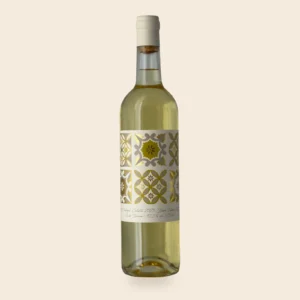
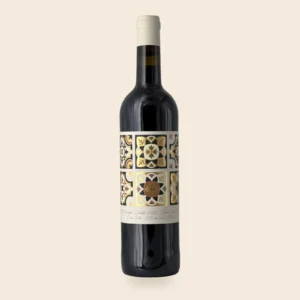
Colheita — White (85% Síria, 15% Fonte Cal) and Red (Tinta Roriz, Touriga Nacional, Rufete). The house floor.
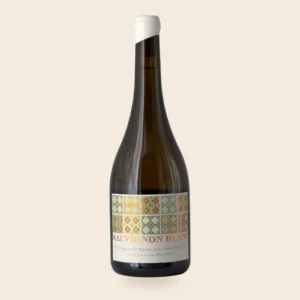
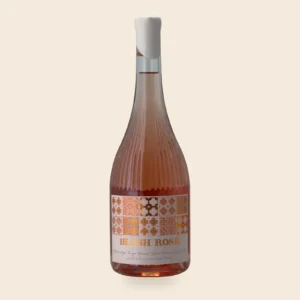
Varietals — Sauvignon Blanc, Blush Rosé of Touriga Nacional, Tinta Roriz. One grape at a time, with nowhere to hide.
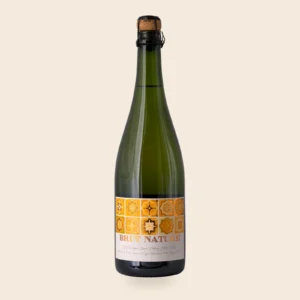
Brut Nature Sparkling — traditional method, 20 months on lees, no sugar added at dosage.
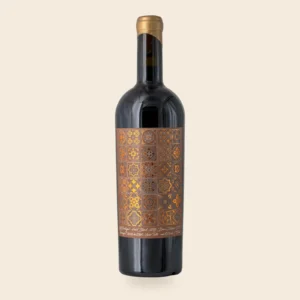
Field Blend Beira Interior — the top of the brand. Old vines, around 80 years, traditional varieties planted together and fermented together, the way it was done before anyone decided to separate them. 36 months in barrel. Estimated ageing: 40 years.