
Autumn Work in the Vineyard: A Guide to Pruning and Healthy Soil
Why November Is a Critical Month in the Vineyard
In autumn work in the vineyard, November is the month of transition. The vine enters dormancy, the leaves fall and the cycle that seemed to be over is, in truth, the silent beginning of a new campaign. For anyone who works in viticulture with awareness and a long-term vision, this is one of the most important phases of the year. The work carried out in this period — or its omission — will have a direct impact on the quality of the grapes at the next harvest.
It is not merely a matter of cutting branches and clearing the ground. November is the time to observe the vine closely, to assess what worked and what needs correcting. It is at this stage that interventions are planned: formation pruning, soil fertilisation, the management of organic matter and even structural work, such as draining plots or improving the soil profile.
This article is a practical guide for lovers of the vine, for technicians and even for curious wine enthusiasts who wish to understand better what happens in the vineyard outside grape season. We will explain the essential autumn practices and how they connect with a more sustainable, resilient and quality-driven Portuguese viticulture.
Because the future of the wine begins here — in the choices we make when the vine appears to be sleeping.
Pruning: Technique, Timing and Philosophy
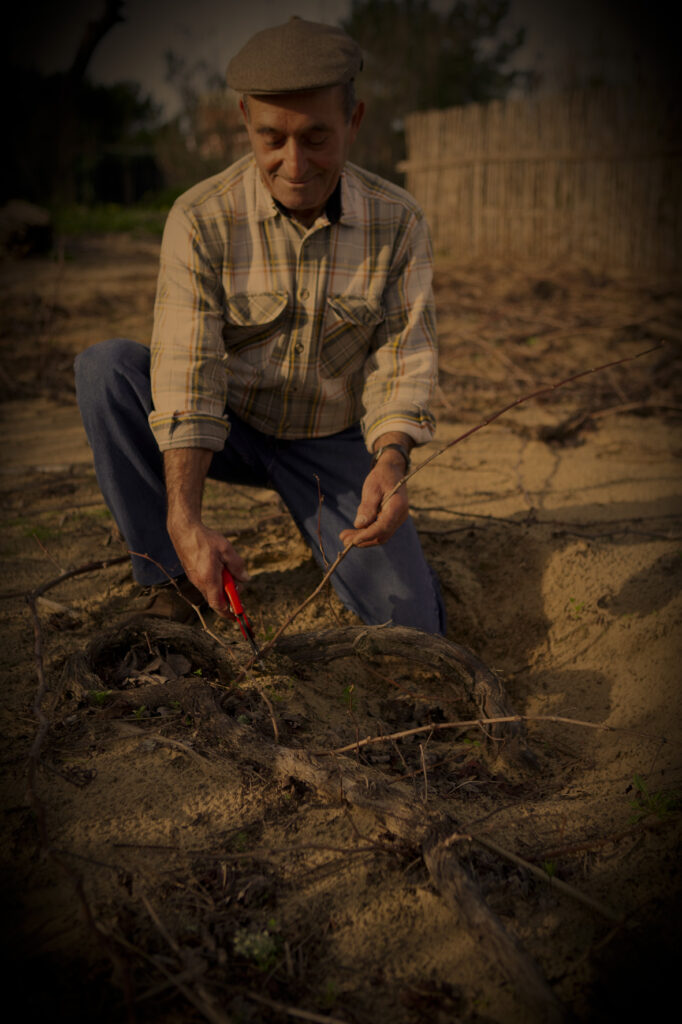
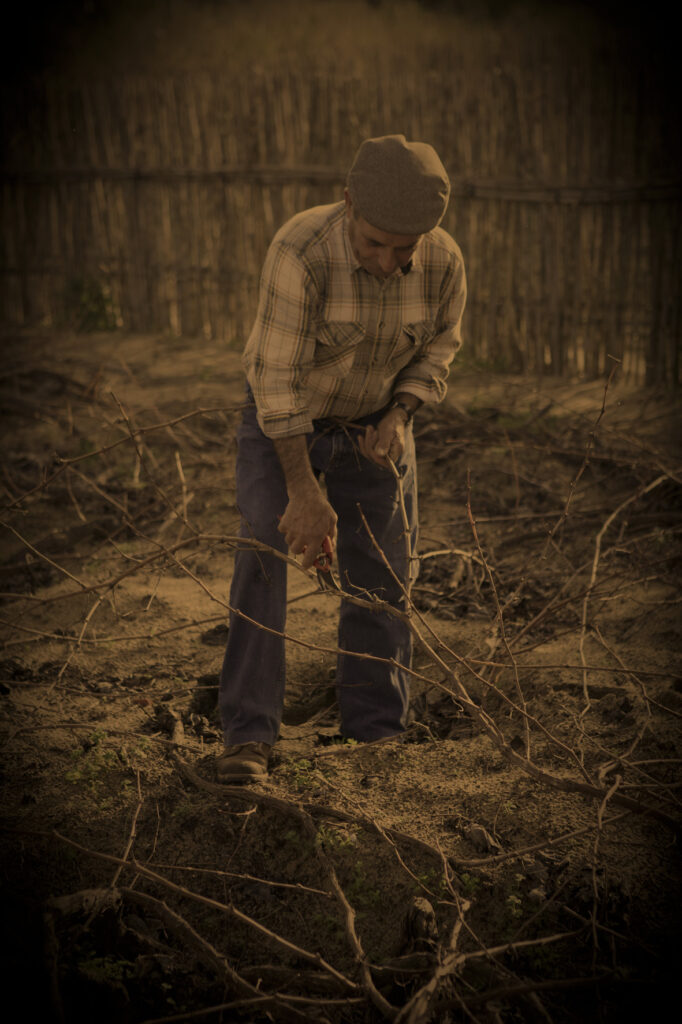
Pruning is, perhaps, the most symbolic act in viticulture. In November it begins discreetly in the earliest regions or the most vulnerable plots, although the bulk of the work is concentrated in the following months. Even so, this is the moment to plan wisely, especially in a country of contrasts like Portugal, where the climate varies greatly between Atlantic, inland and high-altitude regions.
Pruning is not merely cutting. It is a strategic decision that influences the vigour of the vine, the quantity and quality of the bunches, the vegetative balance and even the longevity of the plant. In quality viticulture, each cut has a purpose. Long pruning, short pruning, Guyot, Royat or cane-and-spur — each system has its ideal application, and a deep knowledge of the vineyard is essential in order to decide.
In this autumn period, work in the vineyard means observing the state of the vines closely. Was there excess vigour? Did the vine suffer from drought or disease? What is the production history? All of this influences the decision on the type of pruning to carry out. Moreover, climate change forces us to rethink traditional calendars: in certain areas, bringing pruning forward or delaying it can protect the vine from frosts or encourage a more balanced cycle.
Pruning is also philosophy. Those who prune with knowledge shape the plant towards balance. This is the moment to reflect on what we want from the next harvest: quantity or quality, production or expression of terroir?
Pruning begins now — even if only with a thought and a notebook in hand.
Green Manure: Nourishing the Soil with Life
At a time when sustainability has ceased to be a trend and become an urgent necessity, green manure takes on a central role in autumn work in Portuguese vineyards. This age-old practice, today supported by soil science and regenerative viticulture, consists of sowing specific plants between the vine rows — not to harvest, but to give the soil back its vitality.
Legumes (such as vetch or clover), brassicas (such as mustard) and cereals (such as oats or rye) are frequent examples of cover crops. Each has a function: to fix atmospheric nitrogen, to loosen the soil with their roots, to attract pollinators or to curb erosion. The aim is to create a living ecosystem between the vines, where the soil is protected, aerated and organically enriched — with no need for chemical fertilisers.
Autumn is the right time for these sowings. The first rains allow effective germination, and the plants grow through the winter, to be incorporated into the soil in spring. This process improves soil structure, increases organic matter, activates the microbiology and contributes to the nutritional balance of the vines.
In many Portuguese wine regions, from Bairrada to the Alentejo, from Beira Interior to the Douro Superior, green manure has been gaining ground. Not only for its agronomic effectiveness, but also because it responds to the challenges of an unstable climate and of a viticulture that seeks to be resilient.
More than a technique, green manure is a gesture of respect for the cycle of the earth. Rather than extracting, we give back. Rather than depleting, we regenerate.
And that wisdom begins now, with the choice of the right mix for the right terroir.
Drainage: Water as Ally or Enemy
In autumn, as the first rains mark the end of the summer drought, the soils of Portuguese vineyards come back to life — but not always in a beneficial way. Managing drainage becomes one of the season’s critical tasks, especially on clay soils, poorly prepared slopes or compacted ground. When badly managed, water turns from a precious resource into a silent enemy.
Drainage does not serve only to prevent waterlogging. It protects the roots against asphyxiation, limits the development of harmful fungi and bacteria, and allows the soil to breathe. A vine that retains excess water, even during the dormant period, suffers in silences that reveal themselves only at the next harvest — in the form of weakened vines, nutritional imbalances and uneven ripening.
In modern vineyards, drainage begins with mapping the relief and the texture of the soil. Simple techniques such as building surface ditches, laying underground pipes or creating natural run-off zones can make all the difference. On sandy or well-structured soils, natural drainage is generally sufficient; on clay or compacted soils, intervention is often unavoidable.
At this time, attentive winegrowers walk the plots after the first rains. They observe persistent puddles, run-off zones or signs of erosion. It is the ideal moment to correct faults, open drainage channels or install more permanent systems before winter deepens the problems.
In regions such as the Minho or certain areas of the Dão and Bairrada, where autumn rains are intense, drainage can be the frontier between a healthy vineyard and a troubled one. In Portuguese viticulture, treating water with respect and intelligence is preparing the future — because every drop counts.
Soil Preparation: The Foundation of a New Cycle
October and November are key months in preparing the soil — the moment when the earth breathes, regenerates and readies itself for the new vegetative cycle. For the attentive winegrower, this is a phase of observation and action: the soil, like the vine, needs care, rest and guidance to give its best.
In many Portuguese wine regions, this season marks the interval between the harvest and the start of pruning. With less pressure in the field, it is the ideal time to intervene in the structure and fertility of the soil. Shallow scarifying, for example, is a common practice at this time: it breaks up compacted layers, aids penetration and improves drainage. On lighter soils, surface tillage may be enough — the aim is always to restore life and porosity to the ground.
Soil analysis, in turn, offers a clear picture of the vineyard’s nutritional state. Through it, the producer can plan mineral or organic corrections adapted to the reality of each plot. It is also the right moment to incorporate organic compost, apply pH correctives or spread lime on acidic areas. Every action taken now will be reflected in the vigour of the vines in the next cycle.
But preparing the soil is not only a matter of technique — it is a matter of vision. Well-tended soil is the invisible foundation of a quality wine. It is in the soil that the balance of the vine, the expression of terroir and resilience against climatic extremes take root. That is why, in caring for the earth in autumn, the winegrower cares for the wine still to be born.
Conclusion: Planning and Care, the True Tradition of Portuguese Winegrowing
In the vine’s annual cycle, autumn is not the end — it is the silent beginning of a new agricultural year. Among fallen leaves and bare vines, the winegrower who knows the land prepares with wisdom: assessing, cleaning, correcting and caring. This is the time of those who know how to look beyond the season, those who understand that wine begins long before fermentation — it begins in respect for the soil, in careful pruning, in intelligent drainage and in the green-manure seeds sown with intention.
Portuguese viticulture is distinguished precisely by this knowledge accumulated over centuries, where tradition is not resistance to change, but active memory in the service of continuous improvement. Preparing the vine in October and November demands more than following a calendar: it demands feeling the field, adapting to the year’s climate, respecting the rhythms of nature and using technique as an ally.
The work in the vineyard in autumn, so often invisible to the consumer, is decisive for the balance and longevity of the wine. At a time when so much is said about sustainability, true sustainability begins in the decision to care for the land with intelligence — with fewer products, more observation, and interventions that are occasional but precise.
For those who produce, this is also the time to plan: to decide on pruning, to assess what went well or less well, to adjust methods. And for those who enjoy wine, it is the time to understand that every bottle carries with it this silent dedication — made with cold in the bones, hands dirty with earth and eyes set on spring.
Further Reading
If you enjoyed this article on autumn work in the vineyard, I recommend you also explore other content already published on the Winemaker’s Blog that delves into different aspects of wine production. For example, in Transforming Vineyards: Strategies to Increase the Quality and Value of Grapes I share practices for adding value to the vine from the soil through to harvest. And if you want to understand better the impact of climate on the vine, read How Winter Climate Shapes Grape Quality, a technical yet accessible article that complements this reading perfectly. All these texts were written for the curious and for wine lovers who value the origin of what they drink — because a conscious wine always begins with a well-tended vine.
From the page to the glass
- Monte Cascas Reserva Tinto Douro — Touriga Franca from four old terraced vineyards, 360 to 540 metres.
- Monte Cascas Colheita Branco Douro — Códega do Larinho from three vineyards above 400 metres.
