Cabo da Roca — Guardian of the Oceans
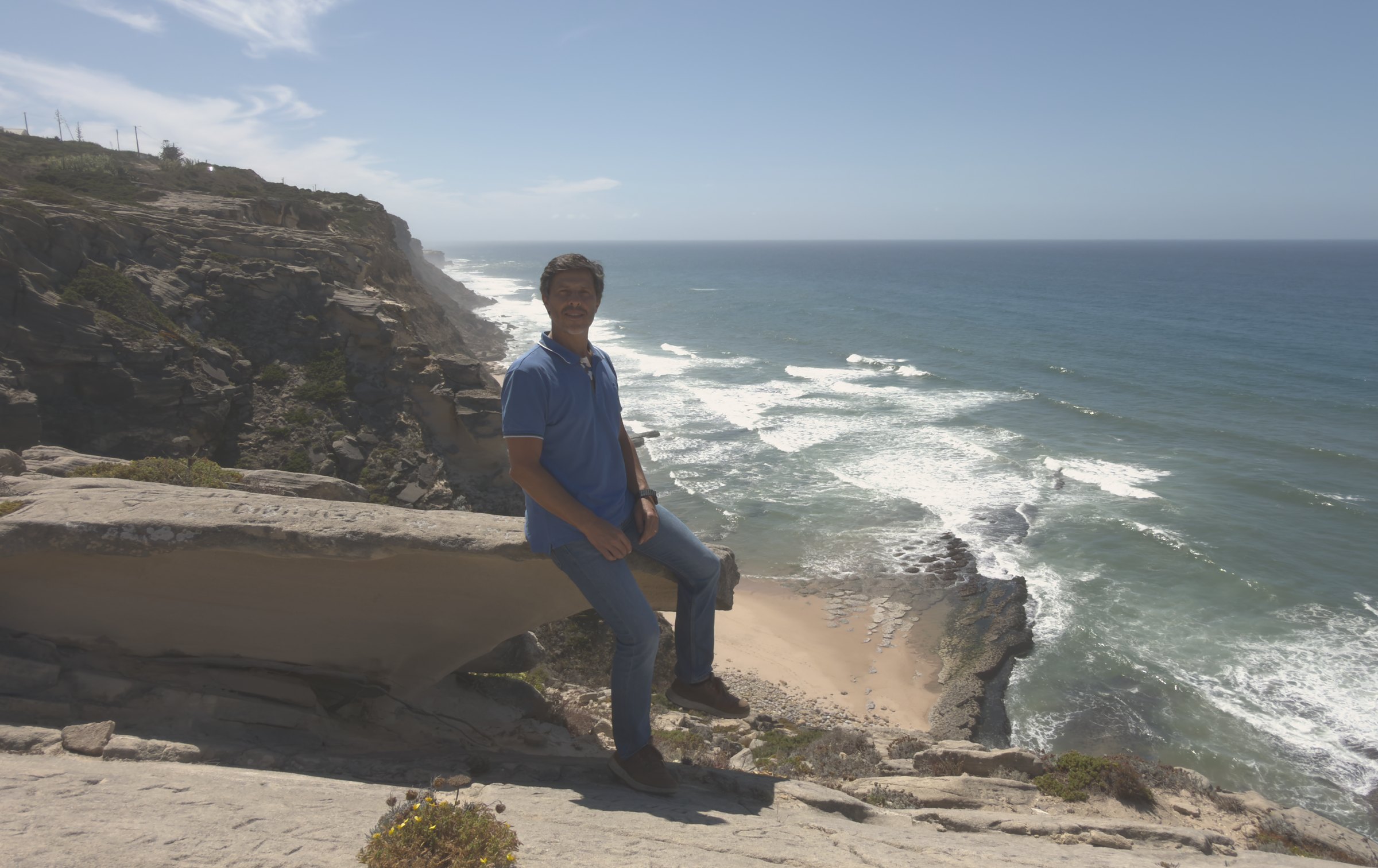
Where Europe ends, the Atlantic begins. These wines look at it every day — and they owe it something.
What that means, in practice
Guardian of the Oceans is not a seal, a certification, or a percentage at the bottom of a receipt. It is the name we gave to a set of decisions taken in the product itself, and you can check every one of them with the bottle in your hand.
We removed the capsule
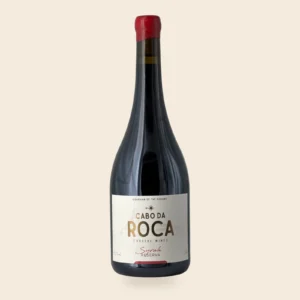
Cork-sealed bottles in the Guardian of the Oceans range have no capsule around the neck.
A conventional capsule contains plastic and is small, light and disposable — the three characteristics of everything that ends up at sea. We did not replace it with something else. We took it off.
No capsule = no plastic.
The Reserva is sealed by hand
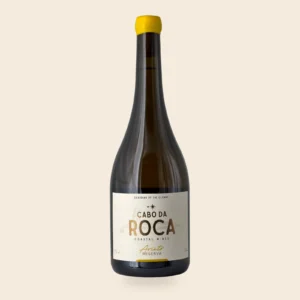
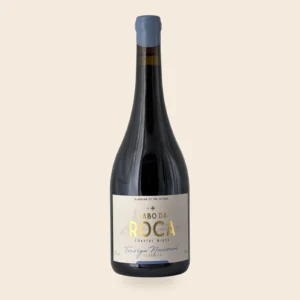
Cabo da Roca Reserva has no capsule either. It is sealed with wax, applied bottle by bottle, at 80 degrees.
It is not the same decision as the Guardian range. There we removed plastic. Here we chose a single material — no metal foil, no PVC, no bisphenol A, raw materials approved for food contact. It is a decision about craft and material, and that is how we tell it.
100% vegan since 2018
No animal-derived fining agents. Since 2018 — seven years before the market started asking.
A guardian for each wine
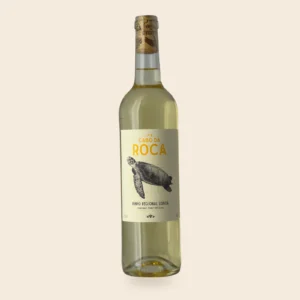
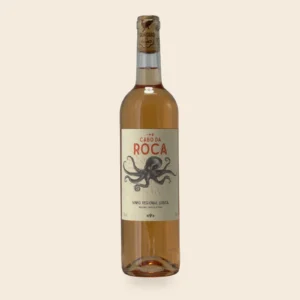
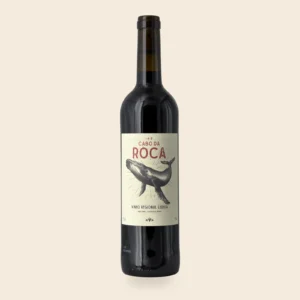
Each wine in the Guardian of the Oceans range carries a hand-drawn illustration on the label. Not the same drawing: each wine has its own guardian.
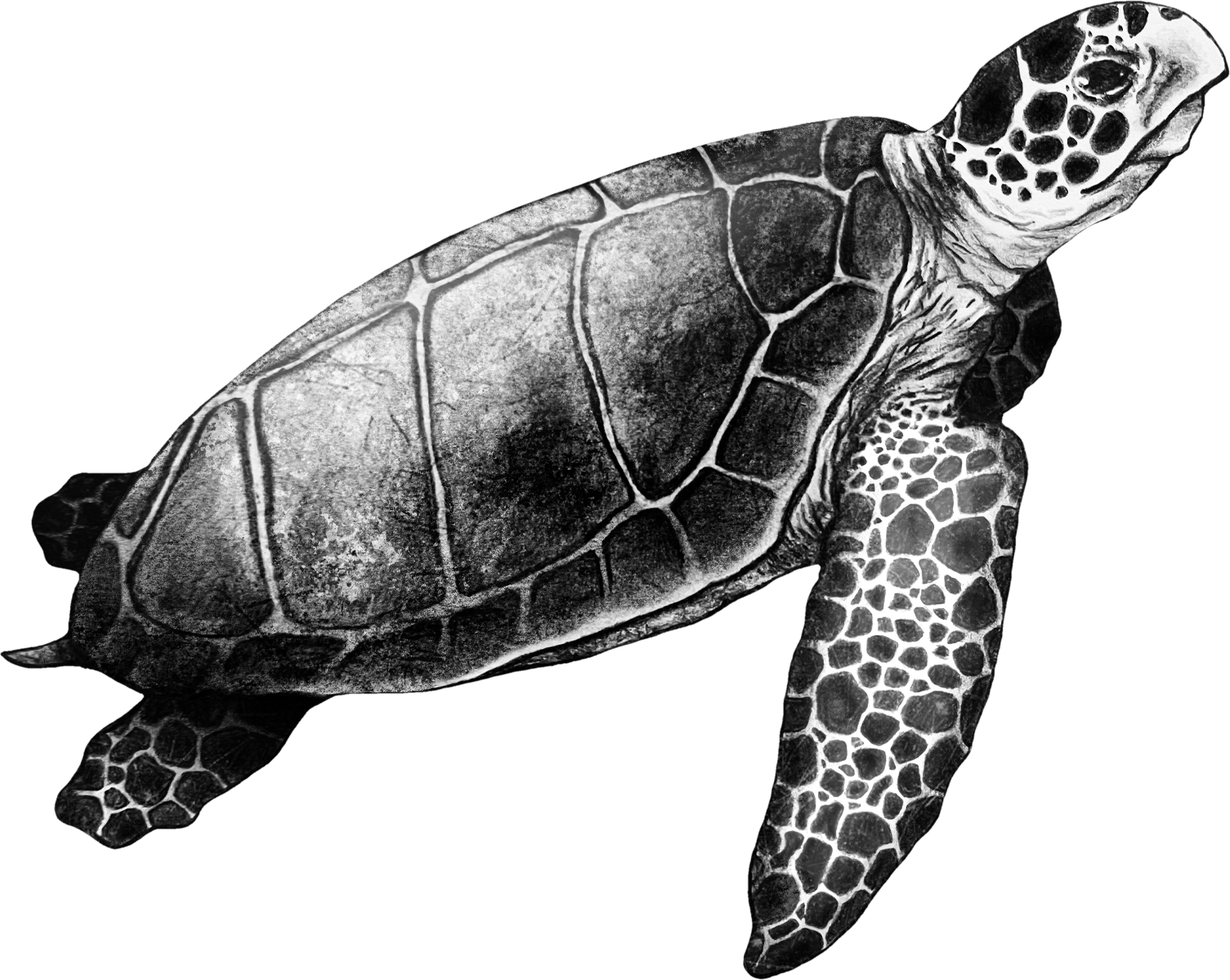
White — the loggerhead turtle. The most frequent sea turtle in Portuguese waters, and the one that most often mistakes plastic for food.
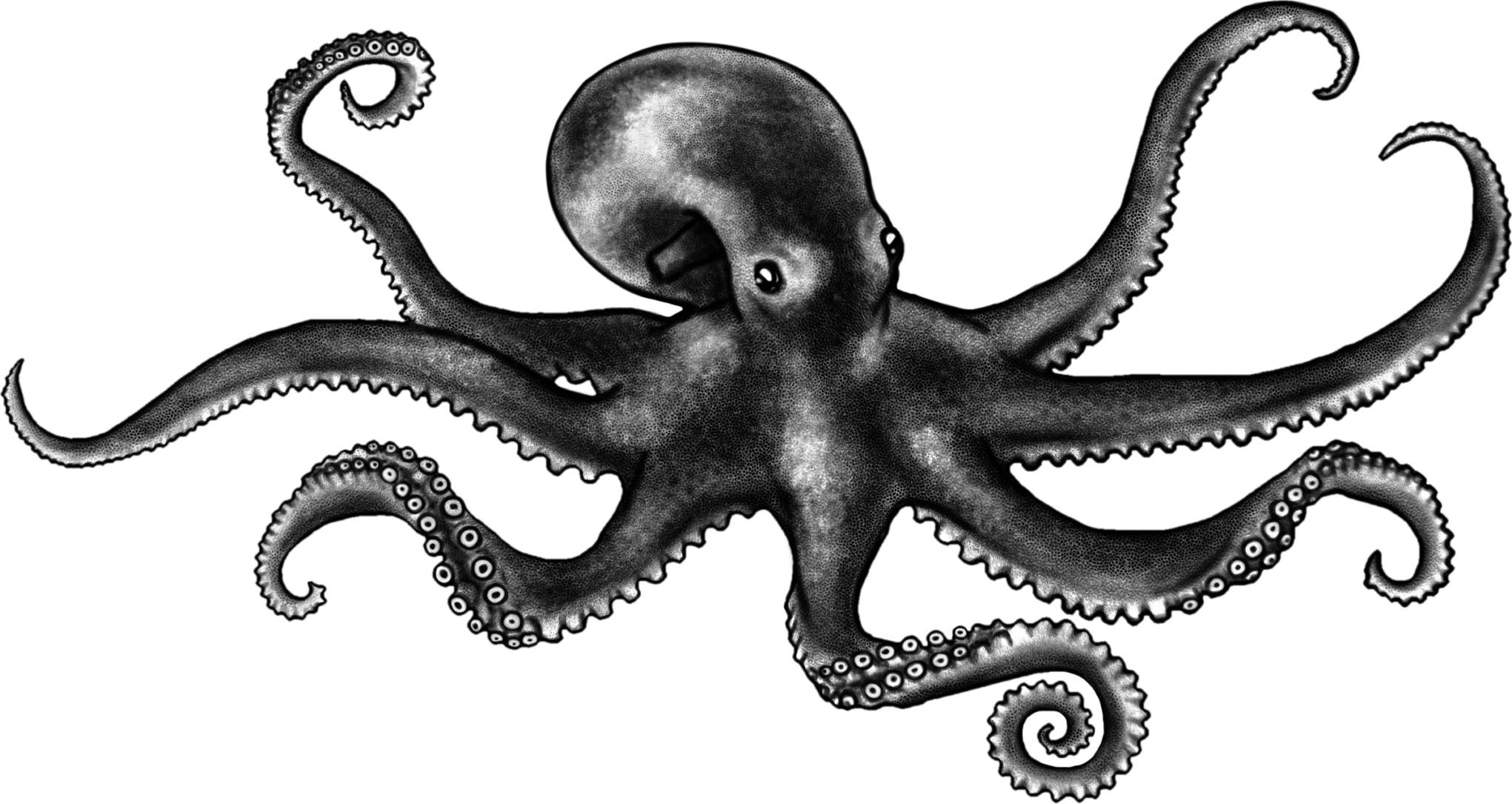
Rosé — the common octopus. The most Portuguese of sea animals: on the table, in the economy of the fish markets, in the memory of anyone who grew up near the water.
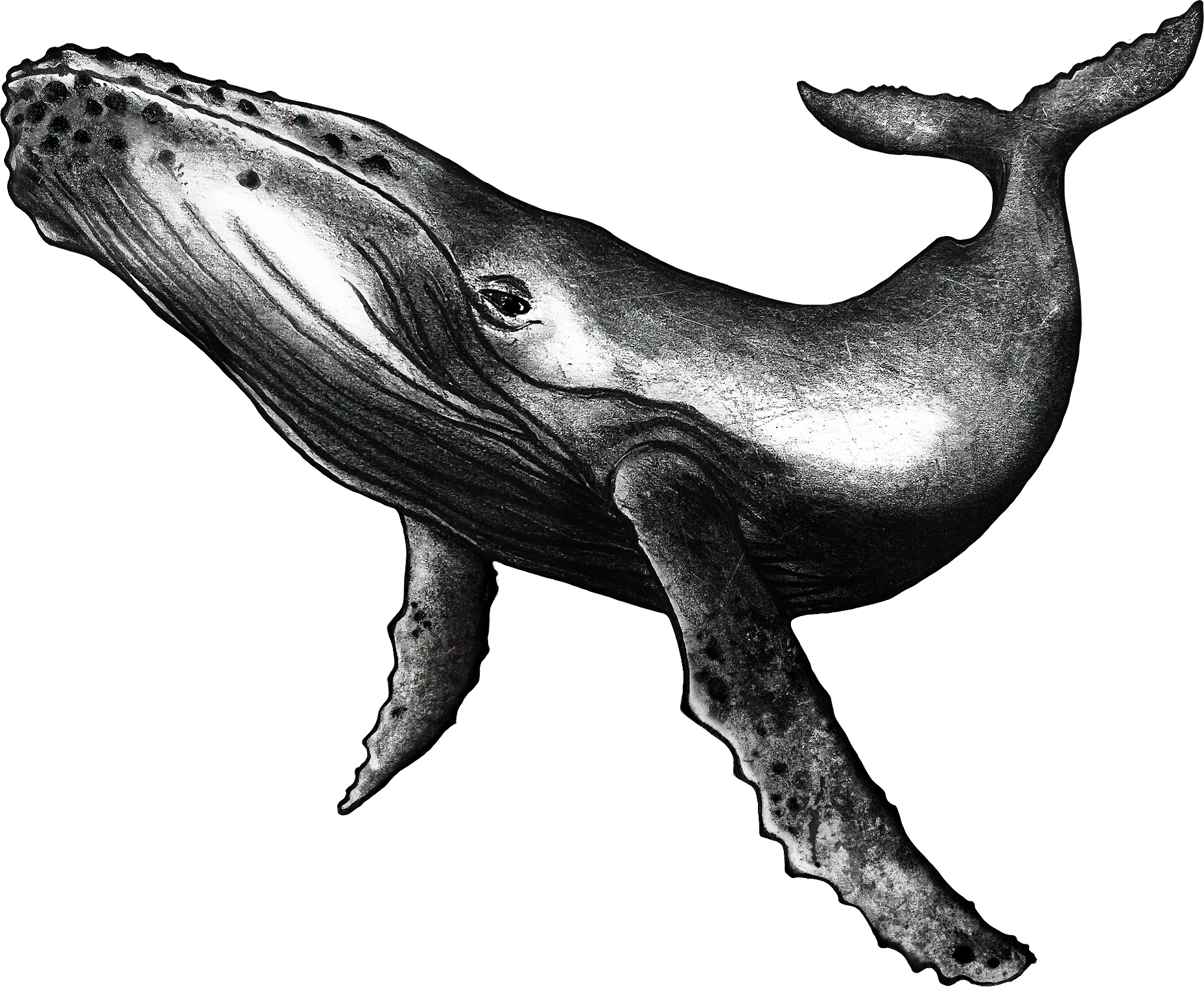
Red — the humpback whale. It passes off this coast on its migrations. Few people see it; almost everyone knows it is there.
They are not decoration. They are three reasons why we took plastic off a bottle.
Who we walk with
Sailors for the Sea. A non-profit headquartered in the United States with offices in Tokyo and Cascais, part of one of the world’s largest ocean conservation groups, supported by Oceana. We show up for the actions they invite us to.
And a note we would rather write ourselves than have someone ask:
We do not make cash donations. We are a small producer and we are not going to pretend otherwise. What we give is wine and presence — at ocean actions, beach clean-ups, ocean literacy work. The day there is a donation, we will publish the figure on this page.
On the ground
Sunsets at Praia das Maçãs and Fuseta. Beach clean-ups. Ocean literacy work alongside people who work the sea every day.
We do not stage events to talk about wine. We bring wine to events that would happen anyway.
The wines
Guardian of the Oceans — white, rosé and red. The species on the label, in plain sight. This is the wine that goes on the shelf and has to speak for itself.
Reserva — Arinto, Touriga Nacional, Syrah. The same commitment, said quietly. Anyone who gets this far does not need it shouted.